A car that will not start can interrupt your day and make it difficult to move the vehicle to another location. The problem may be a flat battery, an engine issue, an electrical fault or another mechanical concern. Whatever the reason, if the vehicle cannot be driven, arranging suitable towing may be the practical next step.
Knowing what information to provide before requesting a tow can make the process clearer. This guide explains how to arrange a tow truck for a non runner in Melbourne, what details the towing team may need and how to prepare for a collection. It also explains what to expect when submitting a towing enquiry with TowPRO.
What Is a Non Runner Vehicle?
A non runner is a vehicle that cannot be driven under its own power. It might not start, may stop running unexpectedly or may have a mechanical or electrical problem that makes driving unsuitable.
Common examples include:
- A car that does not start when the ignition is turned on.
- A vehicle with an engine problem that prevents it from running.
- A car that starts but cannot continue operating reliably.
- A vehicle with a fault that makes it unsuitable to drive to another location.
- A vehicle that has been parked for an extended period and is no longer operational.
The reason a vehicle will not run is useful information for the vehicle towing service provider, but customers do not need to diagnose the mechanical problem before making an enquiry. A clear description of what the vehicle is doing, or not doing, is a helpful starting point.
When Should You Arrange a Tow Truck for a Non Runner?
Towing a vehicle that cannot be driven may be necessary when it cannot start or operate reliably. Rather than attempting to drive it, explain its condition and location to the towing provider so the collection requirements can be assessed.
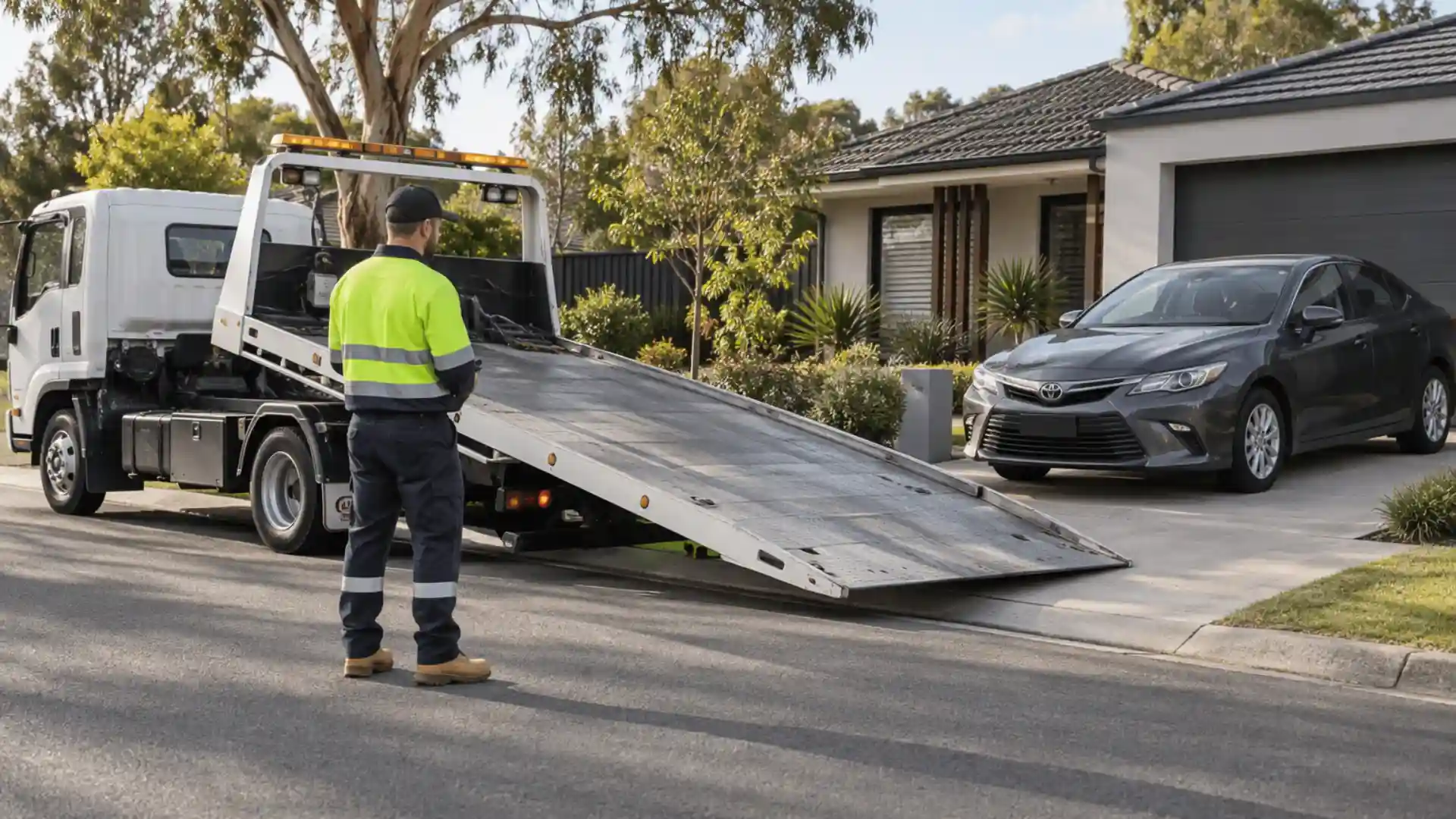
If a vehicle cannot be driven safely or reliably, arranging transport may be more appropriate than attempting to drive it. A tow may be needed when the vehicle is parked at home, has stopped operating at a workplace or needs to be moved to another nominated location.
For example, a vehicle owner might need non runner car towing after discovering that the car will not start before work. Another person may need to relocate a stationary vehicle from a residential property to a mechanic or another destination.
It is important not to assume that every vehicle can be collected in exactly the same way. The vehicle’s condition, position, access to the pickup area and destination can all affect the arrangements. Explain these details when contacting the towing provider so the team can assess the request.
What Information Should You Provide When Booking?
Providing accurate information helps the Melbourne car towing team understand the job before discussing the next steps. When booking a tow truck for a non runner car in Melbourne, prepare the following details where possible. This information helps the provider assess the vehicle, pickup location and transport requirements.
1. Vehicle details
Provide the vehicle’s make, model and approximate size. If you know the vehicle type, include that information too. These details help the provider understand what needs to be transported.
2. Vehicle condition
Explain whether the car will not start, starts intermittently or has another known issue. Mention any relevant condition that could affect loading or movement. You do not need to identify the exact mechanical fault if it has not been diagnosed.
3. Pickup address
Give the full collection address, including the suburb and any useful access information. Explain whether the vehicle is in a driveway, private parking area, apartment car park, workplace or roadside location.
4. Destination address
Tell the provider where the vehicle needs to go. This could be a repairer, another property or a different nominated location. If the destination has access restrictions or limited opening hours, mention those details during the enquiry.
5. Access and collection conditions
Describe the space around the vehicle and any possible access difficulties. For example, a narrow driveway, restricted-height car park, steep access area or limited room to position a towing vehicle may affect the collection plan.
Clear information helps the provider determine whether further details are needed before confirming the service.
How Vehicle Condition Affects Towing Arrangements
Not every non-running vehicle presents the same collection requirements. A car that is parked in an open driveway may have different access conditions from one located in a tight underground car park.
When arranging a vehicle towing service, the provider may need to understand:
- Whether the vehicle can roll or move freely.
- Whether the steering or wheels appear to be restricted.
- Whether the vehicle is in a confined or difficult-to-access position.
- Whether the vehicle has unusual dimensions or other relevant features.
- Whether there are access restrictions at the pickup or destination address.
Do not attempt to move or prepare a vehicle in a way that could create a safety risk or cause further damage. Instead, explain the situation to the towing provider and follow the collection arrangements confirmed by the team.
Preparing the Pickup Location for Collection
Once you have submitted your enquiry, consider whether the pickup information is complete and whether the collection area can be accessed as described.
- Confirm the pickup address and any entry instructions.
- Explain whether the vehicle is behind a gate or inside a restricted-access property.
- Tell the provider about height limits, narrow access points or parking restrictions.
- Make sure the person coordinating the collection can be contacted if further information is needed.
- Remove personal belongings from the vehicle where practical and safe to do so.
If the vehicle is stopped on or near a busy road, prioritise personal safety. Do not stand in traffic or attempt to inspect or move the vehicle in an unsafe location. Transport Victoria provides guidance for drivers dealing with breakdowns and road incidents. Follow the relevant safety advice and contact emergency services if there is an immediate danger.
How to Request Non Runner Car Towing Through TowPRO
TowPRO provides non-accident vehicle towing service and transport services across Melbourne and surrounding areas. Its online process is request-based, which means submitting the form starts an enquiry rather than automatically confirming a tow.
The process generally involves these steps:
- Submit your enquiry: Provide your contact details and the towing address through the online request form.
- Describe the vehicle: Include information about the vehicle, its condition and why it cannot be driven. Add relevant collection or access details.
- Discuss the requirements: The TowPRO team contacts you to clarify the vehicle, pickup and destination details.
- Confirm the arrangements: Timing, availability and pricing are discussed with the team before dispatch.
- Arrange the transport: Once the details have been confirmed, the vehicle towing service can be arranged according to the agreed requirements.
If you are researching how to tow a car that won’t start, remember that the correct collection arrangement depends on the vehicle and the pickup conditions. Providing accurate details is more useful than assuming a particular towing method will suit every situation.
For further information about the service, read about TowPRO’s non-accident vehicle towing service. When you are ready to discuss your requirements, you can submit a towing request through TowPRO.
Questions to Consider Before Confirming a Tow
Before agreeing to the arrangements, make sure you understand the proposed pickup details, destination, timing and price. If anything about the vehicle’s condition or access has changed, tell the towing team before the service proceeds.
Customers should also distinguish between non-accident trade towing and accident towing. This article concerns non-accident vehicle transport. If a vehicle has been involved in a crash, different arrangements and regulatory requirements may apply.
For general information about trade towing in Victoria, refer to the Victorian Government’s trade towing guidance.
A non-running vehicle may require additional planning compared with a car that can be driven. Providing clear details about its condition, location and destination helps the towing provider assess the request and explain the next steps.
If you need to discuss a vehicle that cannot be driven, contact TowPRO with the relevant information. The team can review the enquiry and confirm whether the requested towing arrangements are available.
Request a Towing Service: Visit TowPRO Melbourne to submit your vehicle details and towing enquiry. The team will contact you to confirm service requirements, availability and pricing before dispatch.
Frequently Asked Questions
-
Can a tow truck collect a car that will not start?
Yes, a vehicle that will not start may be suitable for towing. The provider needs details about the vehicle’s condition and pickup location to assess the collection requirements and confirm whether the service can be arranged.
-
What information should I provide when booking a tow truck?
Provide the vehicle’s make and model, its condition, the full pickup address, the destination and any access restrictions. Explain whether the vehicle can move freely or has any known issues that may affect collection.
-
Does the vehicle need to be in neutral for towing?
Not necessarily. The appropriate arrangements depend on the vehicle and its condition. Do not try to change gears or move the vehicle if doing so could be unsafe or cause damage. Explain the situation to the towing provider and follow the confirmed collection instructions.
-
Can a non-running car be collected from a residential driveway?
A residential driveway may be a suitable pickup location, but access and vehicle position matter. Tell the towing provider about driveway width, slopes, gates, parked vehicles and any other restrictions when submitting the enquiry.
-
Does submitting a TowPRO request confirm my towing booking?
No. Submitting a request is an enquiry, not a confirmed booking or dispatch. TowPRO contacts the customer to discuss the vehicle, pickup details, timing, availability and pricing before the service proceeds.