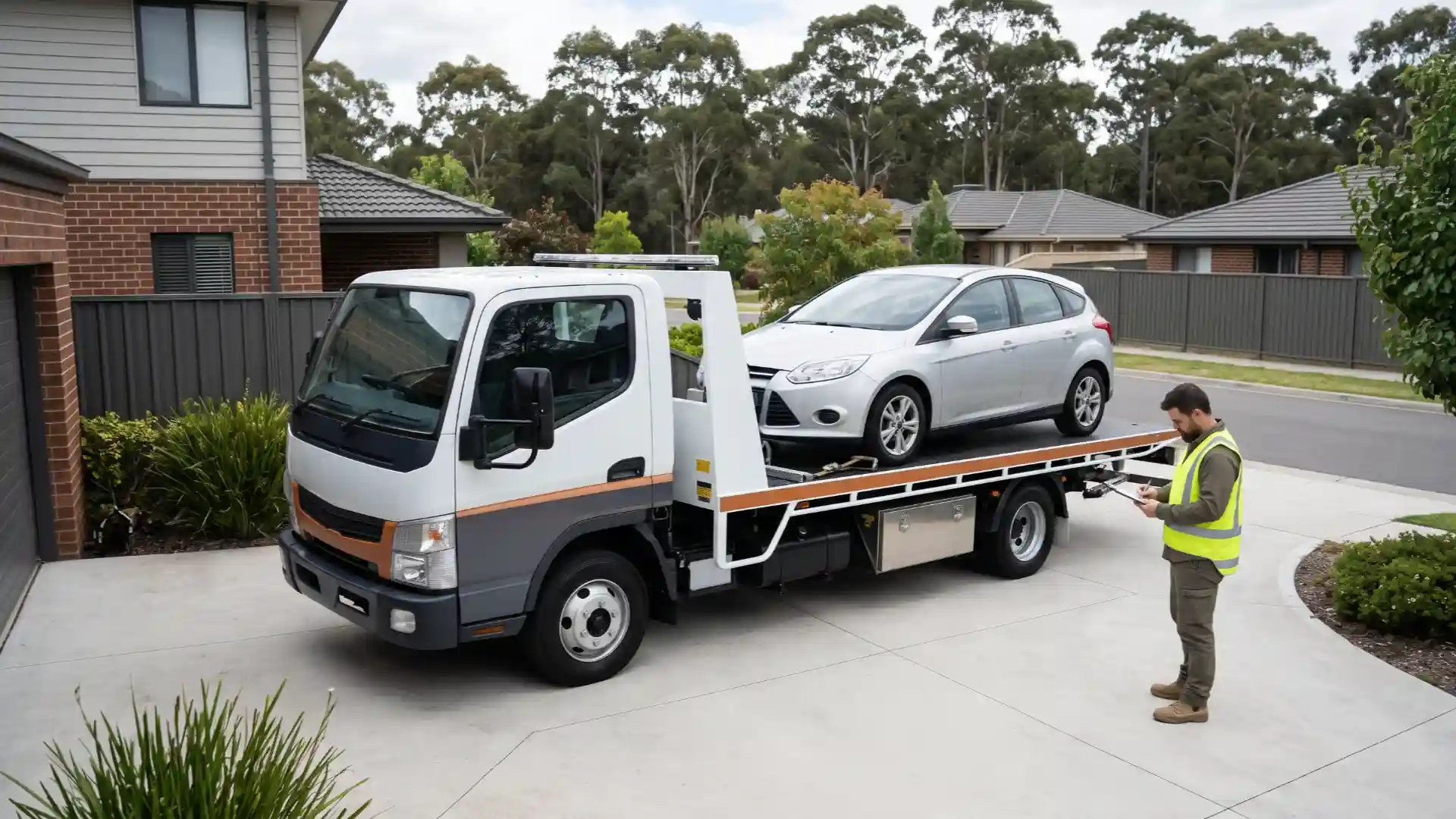
When a vehicle is no longer considered safe or suitable to drive, arranging transport may be a more appropriate option than attempting to move it under its own power. Before contacting a towing provider, prepare accurate information about the vehicle, its condition, collection point and intended destination.
A clear unroadworthy vehicle towing enquiry gives the provider a better understanding of the request and helps the team assess whether the proposed transport can be accommodated. It also reduces the chance of delays caused by missing information or unexpected access requirements.
Why vehicle condition matters when making an enquiry
A vehicle may be described as unroadworthy for different reasons. It might have failed a roadworthy inspection, developed a mechanical problem, sustained non-accident damage or remained unused for an extended period. The term alone does not explain whether the vehicle can be moved using a particular transport arrangement.
For example, a car that starts but has a steering or braking concern presents different transport considerations from a vehicle that cannot start. A vehicle with a damaged wheel, restricted access or low clearance may also need further assessment before a provider can confirm the arrangements.
Be specific rather than simply writing that the car is unroadworthy. Explain what you know about its current condition and identify any concerns that could affect collection or transport.
In Victoria, a roadworthy certificate indicates that a vehicle is safe enough to be used on public roads at the time of assessment. It does not guarantee overall mechanical reliability. Transport Victoria explains the purpose and limitations of a roadworthy certificate in its roadworthy certificate guidance. A clear unroadworthy vehicle towing enquiry helps the provider understand the vehicle’s condition before assessing the transport request.
What to include in an unroadworthy vehicle towing enquiry
Before submitting a request, organise the main details into a short description. The following information can help a towing provider understand the job. A detailed unroadworthy vehicle towing enquiry should explain the vehicle’s condition and the transport requirements rather than relying on a general description alone.
1. Vehicle identification and basic details
Start with the vehicle’s make, model and approximate year. Include its body type, such as sedan, hatchback, SUV, ute or van. If you know the vehicle’s approximate dimensions or weight, you can provide those details too.
You should also explain whether the vehicle is registered, unregistered or subject to any known registration restrictions. Do not assume that registration status alone determines whether a transport request can be accepted.
Accurate vehicle details help the provider consider the type of transport arrangement that may be suitable. If you are unsure about a particular specification, say so rather than guessing.
2. Explain the vehicle’s current condition
The most useful vehicle condition details for towing are clear, factual descriptions of what is and is not working.
Consider telling the provider:
- Whether the engine starts.
- Whether the vehicle can move under its own power.
- Whether the steering appears to function normally.
- Whether there are known braking or wheel problems.
- Whether tyres are inflated and the wheels appear intact.
- Whether there is visible damage or a part that may prevent normal movement.
- Whether keys are available.
Include these details in your unroadworthy vehicle towing enquiry so the team can assess the transport requirements more accurately. Do not attempt to test or move a vehicle if doing so could be unsafe. If you are uncertain about its condition, explain that the details are unknown and ask the provider what further assessment is needed.
Photographs may help communicate visible conditions, but they do not replace a proper assessment. Ask the provider whether photographs or additional information are useful for the enquiry.
3. Provide the exact pickup location
A street address is a useful starting point, but the collection environment matters as well. Explain whether the vehicle is at a residential property, commercial premises, workshop, storage facility or another location.
Include relevant access information, such as:
- Whether the vehicle is inside a garage or behind a gate.
- Whether the driveway or access road is narrow.
- Whether there are height restrictions or low-clearance areas.
- Whether the vehicle is in a basement or enclosed parking area.
- Whether the collection point has restricted operating hours.
- Whether someone will be available to provide access.
This information helps the provider consider whether the location is suitable for the proposed arrangement. Do not assume that a vehicle can be collected from every enclosed or restricted space.
4. Confirm the intended destination
State where the vehicle needs to go and whether the destination is a home, repair workshop, inspection facility, storage property or another agreed location.
Useful pickup and delivery information includes the full addresses, preferred collection period, destination contact details and any access restrictions at either location.
If the destination has limited opening hours, requires advance approval or has a designated vehicle receiving area, mention this early. The receiving party may also need to confirm that it can accept the vehicle at the proposed time.
For longer journeys, provide the complete destination rather than an approximate suburb or general area. The provider can then assess the requested route and transport requirements more accurately.
5. Explain any special collection requirements
Some vehicles may need additional consideration because of their condition or position. For example, the vehicle might be parked in a confined space, have a wheel that cannot turn normally or be difficult to access.
Describe the situation clearly and avoid assuming that a particular loading method or piece of equipment will be available. The provider needs to review the circumstances before confirming what can be arranged.
If the vehicle is at a repairer or commercial site, check whether the property owner or operator has any collection procedures. Make sure the person arranging the enquiry has permission for the vehicle to be collected.
Questions to ask before requesting a vehicle towing quote
A vehicle towing quote should be based on the actual details of the requested job, rather than a broad description alone.
When speaking with a provider, ask whether the vehicle’s condition and collection location can be accommodated. You can also ask what further details or photographs are required before the request can be assessed.
Other useful questions include:
- Can the provider assess this type of vehicle transport request?
- Does the pickup location have any access limitations?
- What information is still needed to assess the journey?
- What are the proposed collection and destination arrangements?
- How will pricing and availability be confirmed?
- Does the receiving location need to approve the delivery?
The answers may depend on the vehicle, location, distance and circumstances. Avoid relying on a general estimate if important details have not yet been reviewed.
How to make a clear car transport enquiry
A well-prepared car transport enquiry should explain the vehicle, its condition and the requested journey in a logical order.
You can use this simple information checklist when contacting a provider:
- Vehicle make, model and year.
- Registration status, if known.
- Whether the vehicle starts or moves.
- Known mechanical, wheel, steering or braking concerns.
- Pickup address and access conditions.
- Destination address and receiving arrangements.
- Preferred collection date or time range.
- Contact details for the person arranging access.
- Any photographs or additional information requested by the provider.
If you are requesting a towing service assessment, provide the known facts and identify anything that still needs to be checked. This helps the provider decide whether more information is needed before assessing the request.
This checklist is useful when comparing Melbourne towing services because it helps you explain the same job requirements consistently. However, providers may have different service scopes, assessment processes and availability. Confirm the details directly rather than assuming that every company can accommodate the same request.
How TowPRO handles a towing enquiry
TowPRO provides vehicle towing and transport services in Melbourne, including non-accident breakdown towing within its service scope. Customers can submit a request through the TowPRO towing service enquiry page.
When enquiring about a vehicle that may not be roadworthy, include the known condition, pickup location, destination and any access concerns. This allows the team to review the information and determine whether the requested arrangement can be accommodated. Including these details in an unroadworthy vehicle towing enquiry can make the initial review clearer and help identify any additional information the team may need.
An enquiry is not a confirmed booking or dispatch. TowPRO needs to confirm the service details, availability and pricing before any transport is arranged. If the vehicle has unusual access or condition requirements, provide those details before expecting confirmation.
If you are unsure which information to provide, explain what you know and identify anything that still needs to be checked. The team can then advise whether further details are required to assess the request.
Arranging transport for a vehicle that may not be roadworthy begins with providing accurate information. Vehicle condition, access, collection arrangements and destination details all help a provider understand what is being requested.
Take time to describe the vehicle honestly, confirm that you have permission to arrange its collection and check the receiving location’s requirements. Do not attempt to drive or move a vehicle when its condition makes that unsafe.
For a towing request in Melbourne, use the TowPRO website to submit the relevant information. The team can review the request and confirm whether the proposed service, timing and price can be accommodated.
Frequently Asked Questions
-
Can an unroadworthy vehicle be transported in Melbourne?
Transport may be an option for a vehicle that is not suitable to drive, but acceptance depends on the vehicle’s condition, pickup location and proposed arrangements. Contact the provider with accurate details so the request can be assessed. Do not assume that every vehicle or location can be accommodated.
-
What information should I provide when enquiring about unroadworthy vehicle towing?
Provide the vehicle’s make, model and year, registration status if known, whether it starts or moves, any known mechanical or wheel concerns, the pickup address, destination and access conditions. Mention any special collection requirements and your preferred timing.
-
Can I enquire about transporting a vehicle that does not start?
You can explain that the vehicle does not start when submitting an enquiry. The provider will need to review its condition, location and access requirements before confirming whether the requested transport can be accommodated.
-
Does submitting a TowPRO enquiry confirm a towing booking?
No. Submitting an enquiry provides information for the TowPRO team to review. The team must confirm the service details, availability and pricing before the transport is arranged. An enquiry alone does not confirm dispatch or an arrival time.
-
What can affect the price of transporting an unroadworthy vehicle?
The vehicle’s condition, pickup and destination locations, travel distance, site access and any special collection requirements may affect the assessment and price. Provide accurate details so the provider can review the request and confirm pricing.